In the rapidly shifting landscape of global commerce, the “Verge” of innovation has moved beyond simple storefronts. As we move through 2026, the success of a digital enterprise is no longer determined solely by its product, but by the robustness of the infrastructure supporting it. At StoreVerge, we are tracking a fundamental shift: the transition from “managed services” to “architecture-driven growth.”
1. The Death of One-Size-Fits-Old Hosting
For years, small to medium enterprises (SMEs) relied on generic shared hosting. However, the demands of modern web applications—driven by real-time data processing and high-intensity API handshakes—have made these legacy systems obsolete.
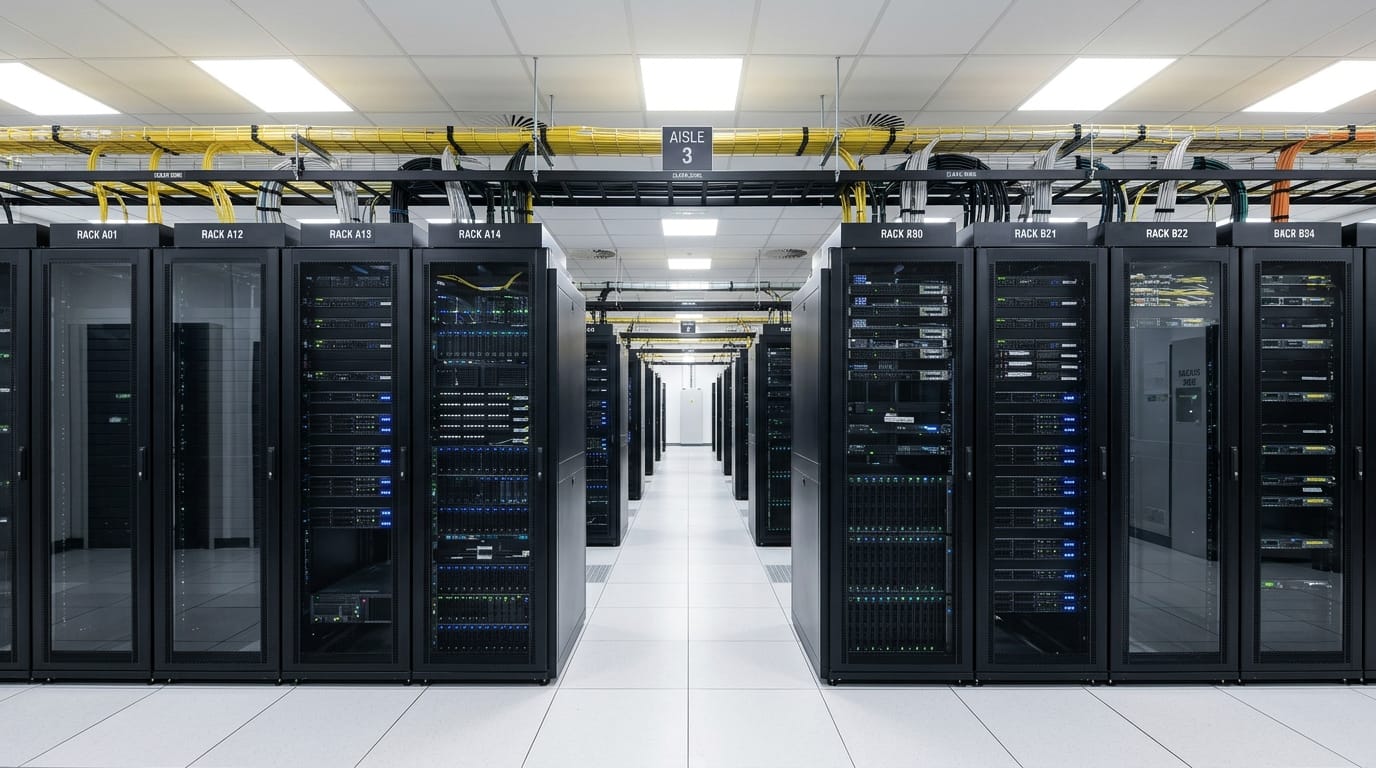
Today’s commerce requires specialized environments. Whether it is a Laravel-based SaaS or a high-traffic Flutter web app, the infrastructure must be optimized for the specific stack. We are seeing a surge in VPS (Virtual Private Server) adoption, not just for power, but for the granular control over server-side caching and security protocols that shared environments simply cannot provide.
2. Speed as a Financial Metric
Google’s Core Web Vitals are no longer just an SEO suggestion; they are a conversion metric. A 100ms delay in page load time can result in a 7% drop in conversions. For StoreVerge readers, this means the choice of data center location and the implementation of edge computing (like QUIC.cloud or Cloudflare) are high-level business decisions.
Key Performance Drivers in 2026:
- Object Caching: Moving beyond standard page caching to database-level optimization.
- NVMe Storage: The shift from SSD to NVMe has become the standard for high-performance commerce.
- Global CDNs: Reducing latency by serving content from the nearest possible node to the user.
3. The Role of Security in Consumer Trust
With the rise of PII (Personally Identifiable Information) concerns, security architecture is now a front-end feature. Modern users are tech-savvy; they look for SSL certificates, secure payment gateways, and transparent data policies before they even browse a product. Building a “privacy-first” infrastructure isn’t just a legal requirement—it is a competitive advantage in the 2026 market.
4. Why StoreVerge is Tracking These Trends
StoreVerge was founded to bridge the gap between technical infrastructure and market analysis. We believe that by understanding the “under-the-hood” mechanics of digital business, entrepreneurs can build more resilient, scalable, and profitable platforms.
Conclusion
The digital verge is constantly moving. As we look toward the rest of 2026, the businesses that will dominate are those that treat their server architecture with the same importance as their marketing strategy.