
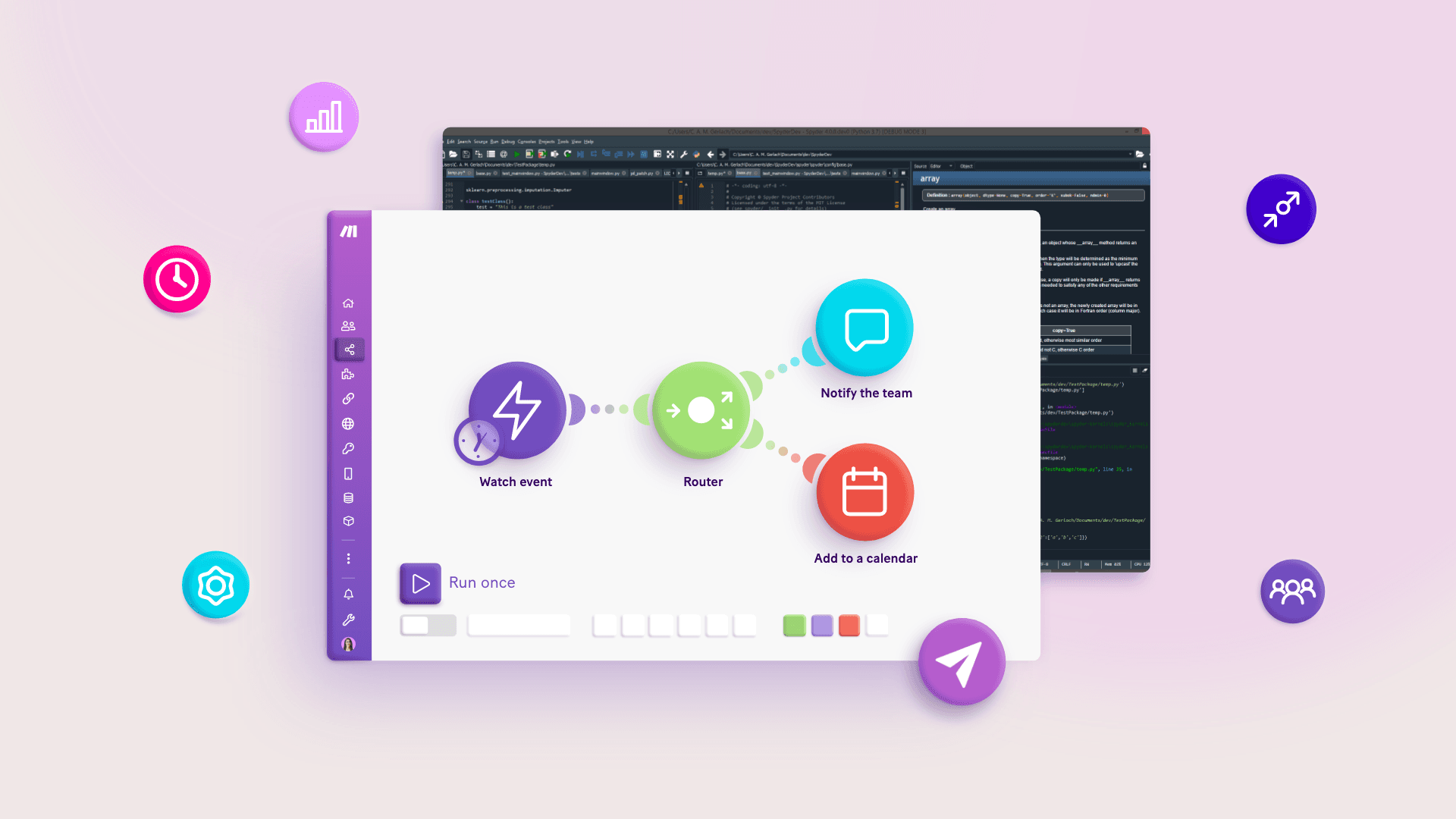
The democratization of development has reached its peak. In April 2026, the “Citizen Developer”—a business user with no formal coding background—is now responsible for over 60% of new business applications. At StoreVerge, we are analyzing the “Low-Code/No-Code Paradox”: a world where building software has never been faster, yet managing it has never been riskier.
1. The Power of the Citizen Developer
The primary driver of the LCNC explosion is the Agility Gap. Traditional IT departments in 2026 are often backlogged by months. By using visual drag-and-drop interfaces, marketing, HR, and finance teams can build their own internal tools, automation workflows, and even customer-facing portals in a fraction of the time it takes to write custom code.
This shift has moved the “Verge” of innovation from the engineering basement to the boardroom, allowing businesses to respond to market shifts in real-time.
2. The Rise of “Shadow IT” and Governance Risks
The paradox emerges when these “citizen-built” apps operate outside the view of the central IT and security teams. This creates a new wave of Shadow IT, where critical business data flows through unvetted applications.
In our previous discussion on API Security, we highlighted the danger of silent data leaks. LCNC platforms often simplify the process of connecting to external APIs, but they also make it incredibly easy for a non-technical user to accidentally expose sensitive database records to the public internet.
3. The “Black Box” Problem
For professional developers, LCNC platforms can be a “Black Box.” When an app breaks or a security vulnerability is discovered within the platform’s proprietary code, the user is often at the mercy of the provider.
In 2026, we are seeing a move toward “Open-Core” Low-Code. These are platforms that allow users to export their underlying code or host the application on their own Sovereign Infrastructure, giving the business the best of both worlds: high-speed development and total architectural control.
4. Balancing the Paradox: The 2026 Strategy
To survive the LCNC paradox, successful 2026 enterprises are adopting a “Guardrail” strategy:
- Centralized Governance: Letting teams build their own tools, but only within a pre-approved, secure environment.
- API Gateways: Requiring all LCNC apps to connect through a secure, monitored API layer to prevent data leaks.
- Security Training for Non-Devs: Teaching “Citizen Developers” the basics of data privacy and authorization logic.
Conclusion
Low-code is no longer just a trend; it is the operating system of modern business. As we move further into 2026, the companies that thrive will be those that embrace the speed of no-code while maintaining the rigorous security standards of traditional engineering.