

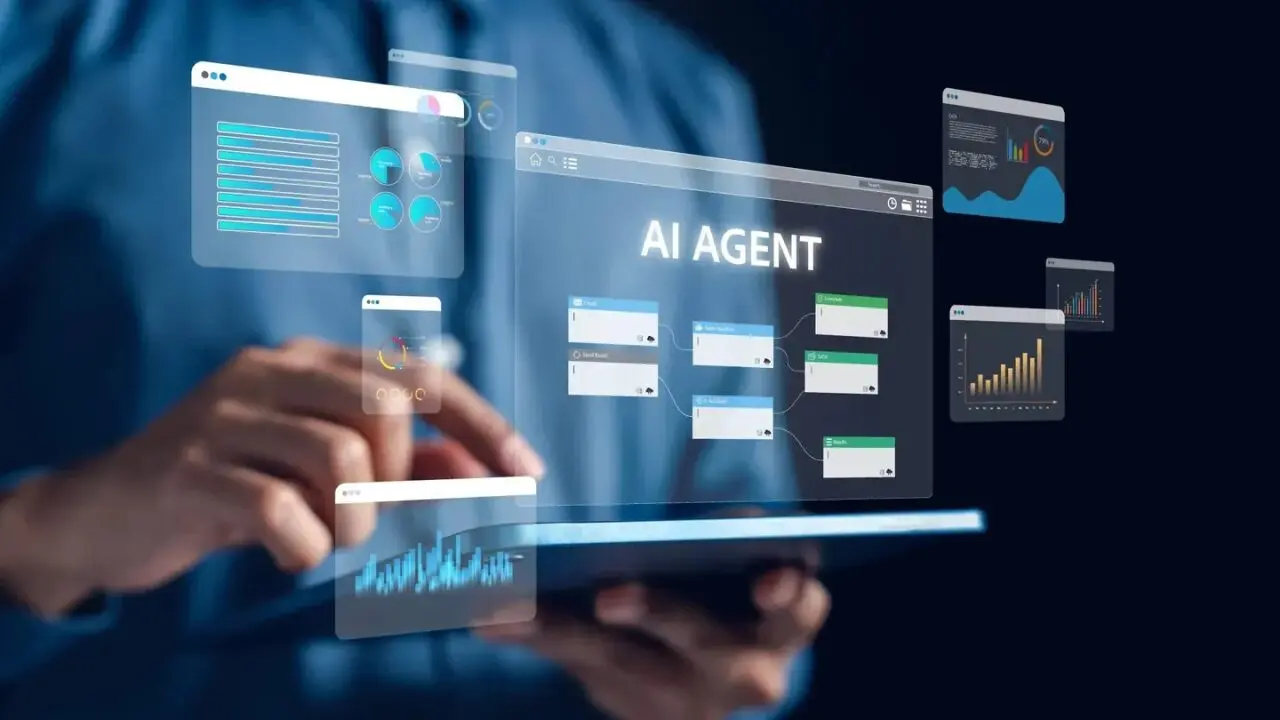
The “Virtual Assistant” (VA) industry has undergone its most radical transformation in decades. In early 2026, the market has pivoted from human-led task execution to Autonomous AI Agents. At StoreVerge, we are tracking the emergence of the “Digital Employee”—a task-specific AI that doesn’t just suggest actions, but executes them independently within a business ecosystem.
1. The Decline of Generalist Outsourcing
For years, SMEs relied on human VAs for data entry, scheduling, and basic research. In 2026, those roles have largely been automated. The new “Verge” of digital labor is defined by Agentic Workflows. Unlike a standard chatbot, an AI Agent in 2026 can log into your CRM, research a lead’s recent LinkedIn activity, draft a personalized proposal, and set up a follow-up trigger without human intervention.
2. Specialized Agents vs. General AI
We are seeing a move away from “one-size-fits-all” AI like the early LLMs. The 2026 trend is Niche Agent Specialization. Businesses are now “hiring” specialized agents for specific departments:
- The Procurement Agent: Automatically negotiates with vendors based on real-time stock levels and budget constraints.
- The Compliance Agent: Monitors every outgoing document to ensure it meets the latest data residency laws.
- The Growth Agent: Manages social commerce feeds and virtual influencer interactions.
3. The ROI of Digital Labor
The economic shift is undeniable. While a human VA requires management, breaks, and a salary, an AI Agent operates at the cost of specialized hosting compute. For a startup, the Return on Investment (ROI) is no longer measured in “hours saved,” but in “transactional velocity”—how many business processes can be completed simultaneously 24/7.
4. The Human Role: From Doer to Director
The rise of the AI workforce doesn’t mean the end of human talent; it means a change in description. The most successful entrepreneurs in 2026 are those acting as “Agent Orchestrators.” Instead of doing the work, they are designing the workflows and setting the ethical “guardrails” that the AI agents must follow.
Conclusion
The workforce of 2026 is a hybrid of human creativity and machine execution. As AI agents move from “cool tools” to “essential employees,” the businesses that successfully integrate this digital labor will be the ones that scale at a speed previously thought impossible.