
For years, “Headless Commerce” was a buzzword reserved for enterprise giants with million-dollar dev budgets. But as we reach the midpoint of 2026, a massive shift has occurred. At StoreVerge, we are tracking how decoupled architecture has finally trickled down to the SME (Small and Medium Enterprise) market, allowing smaller brands to compete with a level of speed and flexibility previously thought impossible.
1. What is Headless Commerce in 2026?
In simple terms, Headless Commerce is the “decoupling” of your frontend (the “head” or what the customer sees) from your backend (the “body” or the logic, payments, and database).
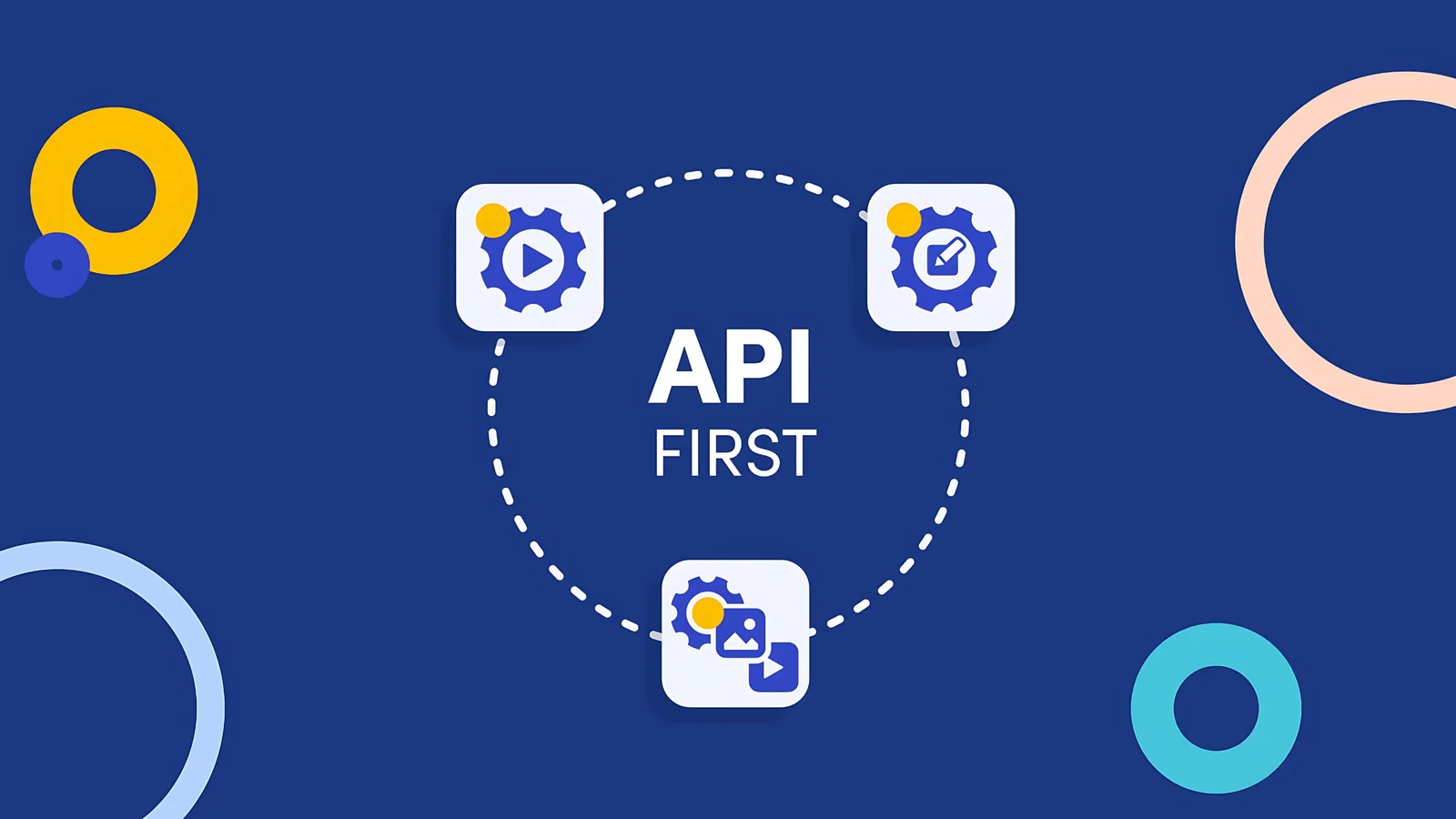
In 2026, instead of using a monolithic platform where the design and the database are locked together, SMEs are using APIs to connect a high-performance frontend (like a specialized Vue or Flutter web app) to a specialized commerce engine.
2. The Death of “Template-Locked” Growth
The biggest frustration for SMEs has always been the “Template Wall.” When your business grows, your standard CMS often becomes a bottleneck—it’s too slow, or you can’t customize the checkout experience enough to improve conversions.
The Headless Advantage:
- Total Design Freedom: Your frontend can be anything—a mobile app, a smart mirror, or a lightning-fast static site—without changing your backend logic.
- Extreme Speed: Because the frontend is decoupled, it can be served via global CDNs as a lightweight application, leading to near-instant load times.
- Future-Proofing: If you want to change your payment gateway or inventory manager in 2027, you don’t have to rebuild your entire website. You just swap the API.
3. The Rise of “Headless-as-a-Service”
What changed in April 2026? The arrival of affordable Headless Connectors. New tools now allow a standard WordPress or Shopify backend to function as a “headless” engine with a single click. This has removed the technical barrier, allowing a solo developer to deploy an enterprise-grade, API-first architecture in a matter of days rather than months.
4. Omnichannel Excellence
In 2026, your customer isn’t just on a laptop. They are on TikTok Shop, Instagram, smart watches, and even AI shopping agents. A headless setup means you have a Single Source of Truth. You update your product data once in your headless backend, and it automatically syncs across every “head” or device your customer uses.
Conclusion
The “Verge” of commerce is now API-driven. For the modern SME, staying “monolithic” is becoming a risk. As we look toward the second half of 2026, the brands that embrace decoupled, headless systems will be the ones that can pivot fast enough to survive the next wave of digital disruption.