The traditional “middleman” model of digital payments is facing its most significant challenge yet. As we move through the second quarter of 2026, the integration of blockchain technology into standard payment gateways is no longer a “crypto niche”—it is becoming a core requirement for global SaaS platforms. At StoreVerge, we are analyzing how Direct-Settlement Architecture is changing the economics of digital subscriptions.
1. Beyond the 3% Fee: The Economic Push
For a decade, the “Stripe-Standard” of 2.9% + 30 cents was the tax of doing business online. In 2026, that model is being disrupted by Layer-2 Payment Rails. By utilizing networks like Arbitrum or Polygon for stablecoin transactions (USDC/USDT), SaaS founders are reducing their transaction fees to less than 0.5%.
For a Micro-SaaS with high volume, this 2% difference isn’t just a saving; it’s a significant boost to the net profit margin, allowing for more aggressive customer acquisition or faster infrastructure scaling.
2. Programmable Money: Smart Contract Subscriptions
The biggest technical evolution this year is the rise of Smart Contract Billing. Traditional recurring billing relies on “pulling” money from a user’s vault, which often leads to failed transactions and high churn.
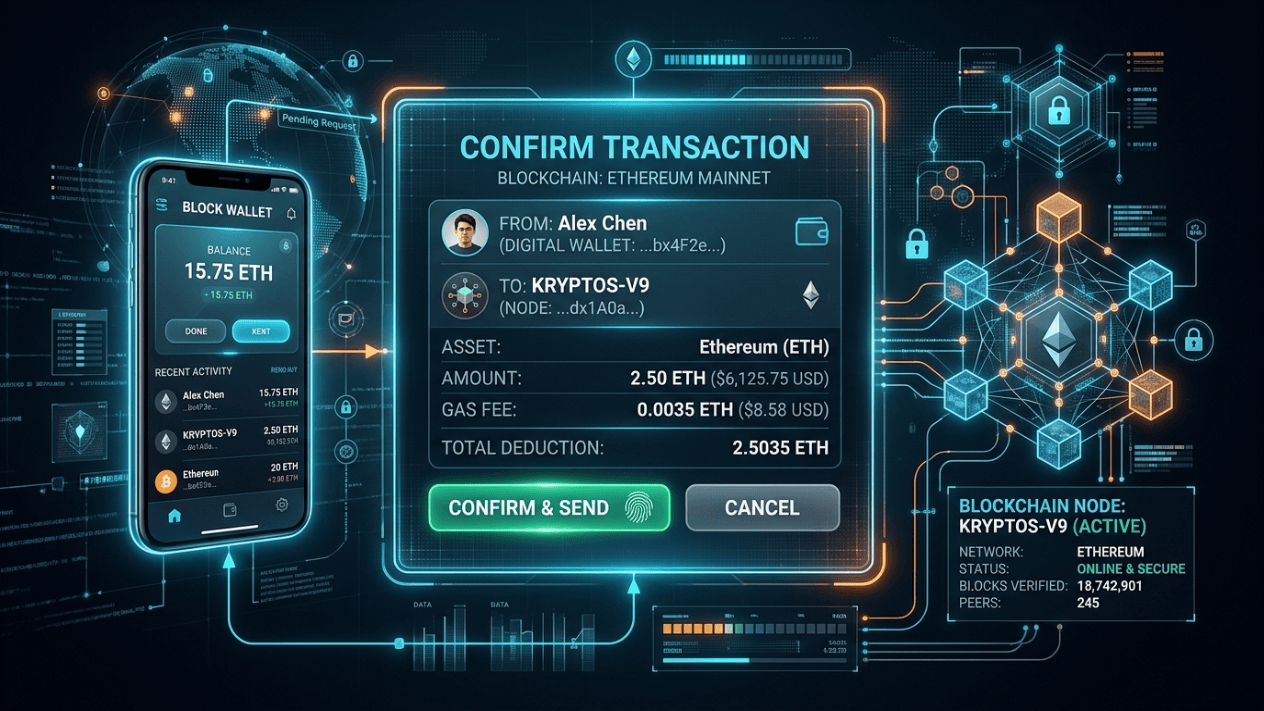
In 2026, we are seeing the adoption of “streaming payments.” Instead of one large monthly charge, users can opt for Pay-As-You-Go micro-transactions executed via smart contracts. If the user stops using the software, the stream stops. This transparency is building a new level of consumer trust that legacy banking systems cannot match.
3. Solving the Cross-Border Headache
At StoreVerge, we frequently track the friction of international commerce. For founders in emerging markets, traditional gateways often impose “high-risk” flags or 7-day holding periods.
The 2026 Solution: Blockchain gateways provide Instant Settlement. Because the transaction is verified on a public ledger, the “Holding Period” is eliminated. A developer in Dhaka can receive funds from a customer in London and have those funds available in their digital wallet within minutes, not days.
4. The Hybrid Reality: Bridging Fiat and Crypto
The most successful gateways in 2026 are not “crypto-only”; they are Hybrid. Platforms are now offering “Automatic Off-ramping,” where a customer pays in a stablecoin, but the merchant receives local fiat currency (like USD or BDT) directly into their business bank account.
This “Invisible Blockchain” experience allows businesses to benefit from the speed and low cost of Web3 technology without the volatility or accounting complexity typically associated with digital assets.
Conclusion
The gateway of the future is silent, fast, and trustless. As we move further into 2026, the SaaS platforms that offer diverse, blockchain-backed payment options will capture a global market that is increasingly weary of traditional banking delays and high fees.